The Ribbit Rack
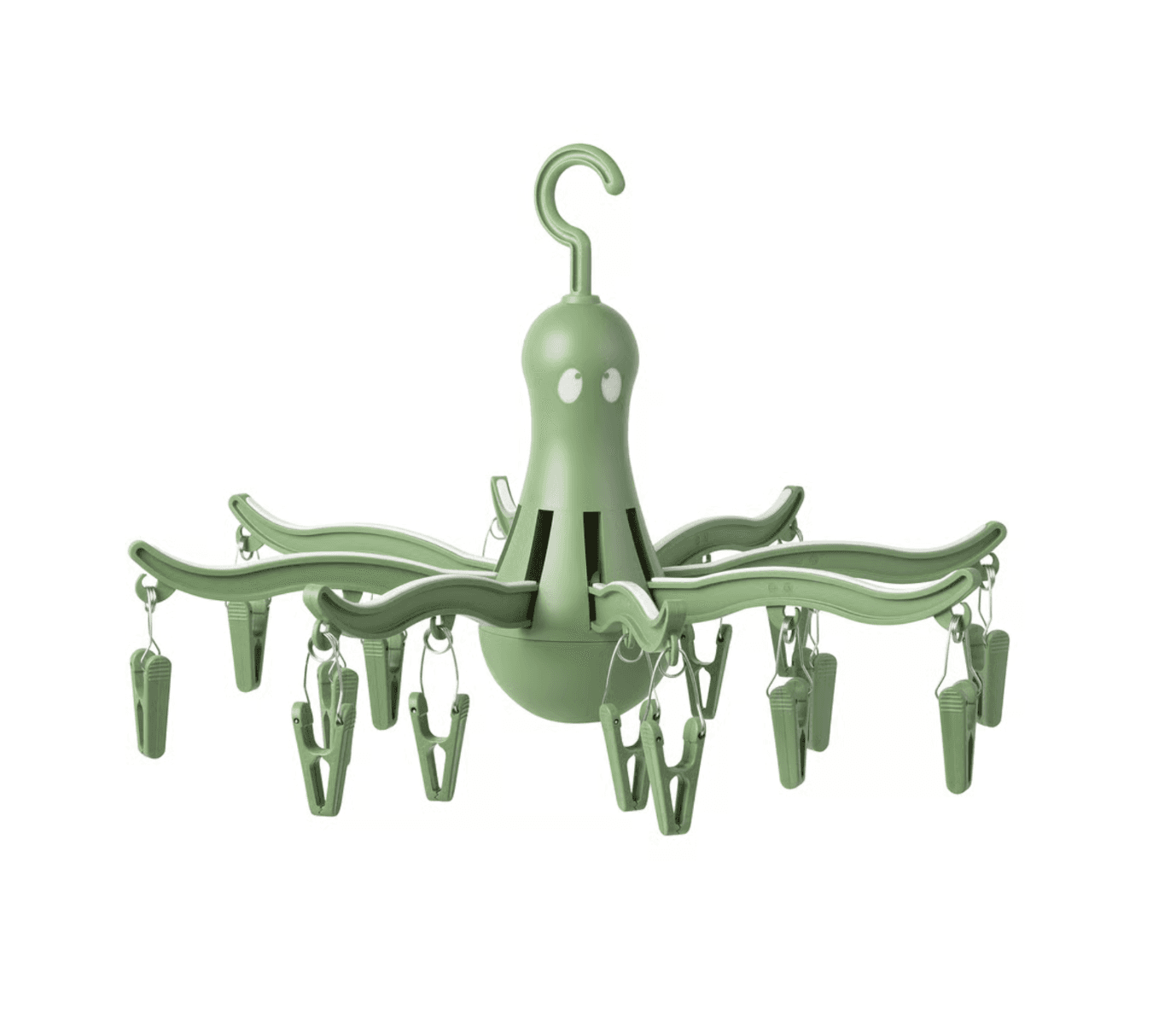
Ribbit Rack is a compact drying system designed to support the care of small, everyday items within shared living spaces. Developed through hands-on prototyping and material exploration, the project demonstrates how adaptable, space-conscious design can align with real routines while reducing clutter and supporting consistent use.
Physical Design + Digital Fabrication
This project blended functional home goods with nature-inspired design to enhance everyday routines in a playful yet practical way. The frog-inspired form supported organization, accessibility, and moments of delight, encouraging interaction while maintaining usability. Through iterative, cross-disciplinary prototyping, the process demonstrated how combining design, engineering, and user testing can strengthen user-centered solutions from early concept to final build.
Roles & Takeaways
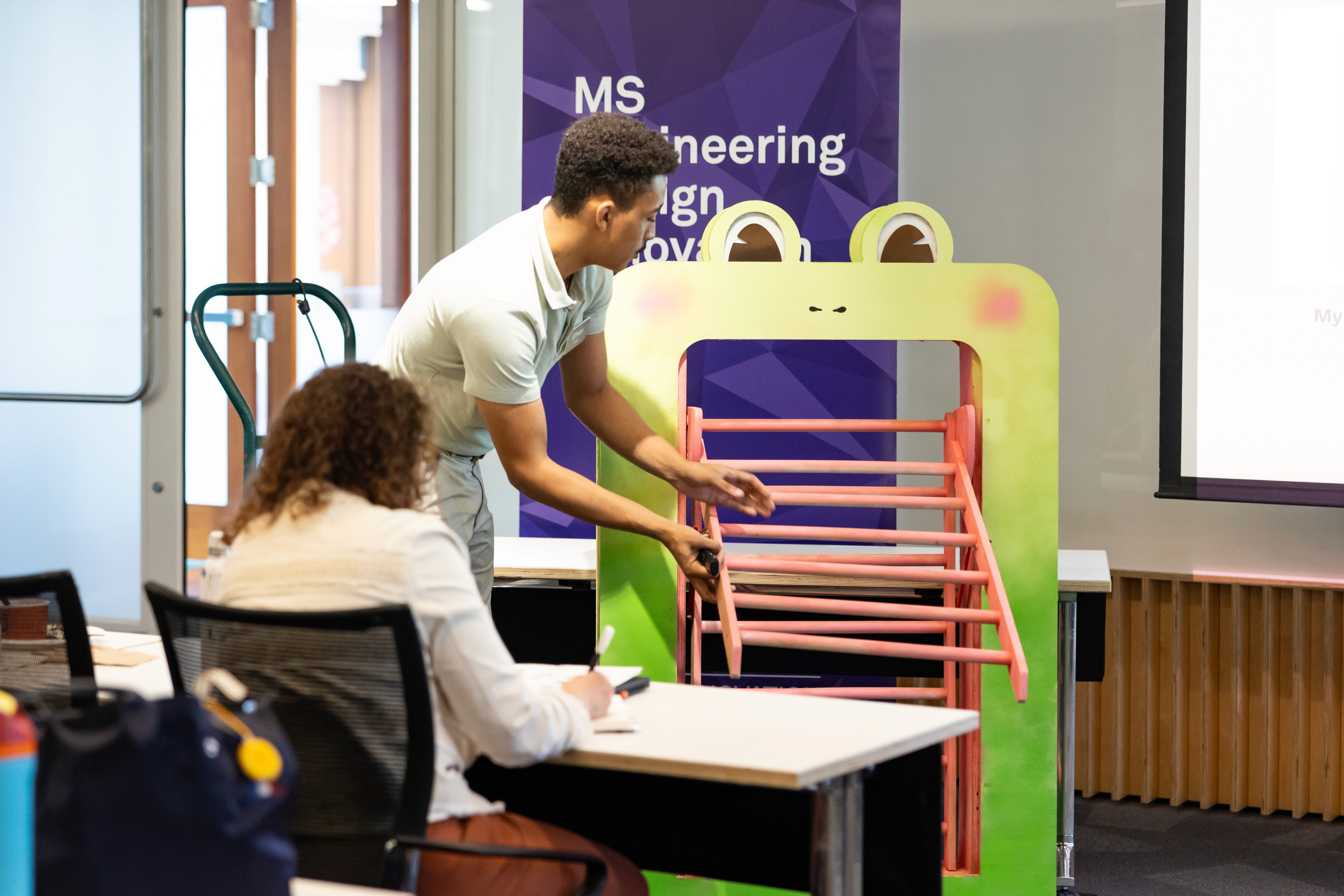
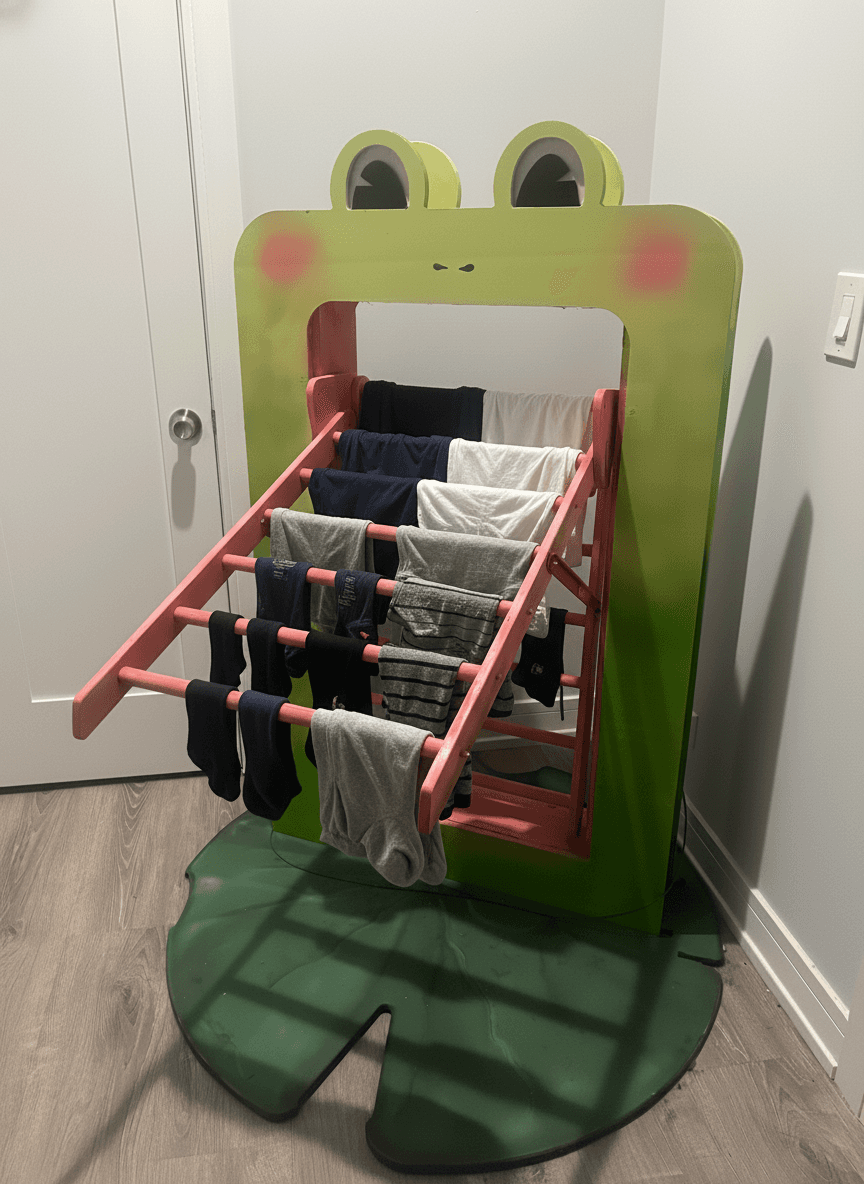
The final concept was communicated through a functional prototype, supported by experience wireframes illustrating how Ribbit Rack integrates into daily environments and adapts across use scenarios.
Outcomes
The process began with observational research into everyday drying behaviors and spatial constraints within shared living environments. Insights informed early concept directions, which were explored through rapid prototyping and material experimentation. Iterative testing helped refine form, structure, and usability, ensuring the solution aligned with real routines while remaining lightweight and adaptable.
Methods
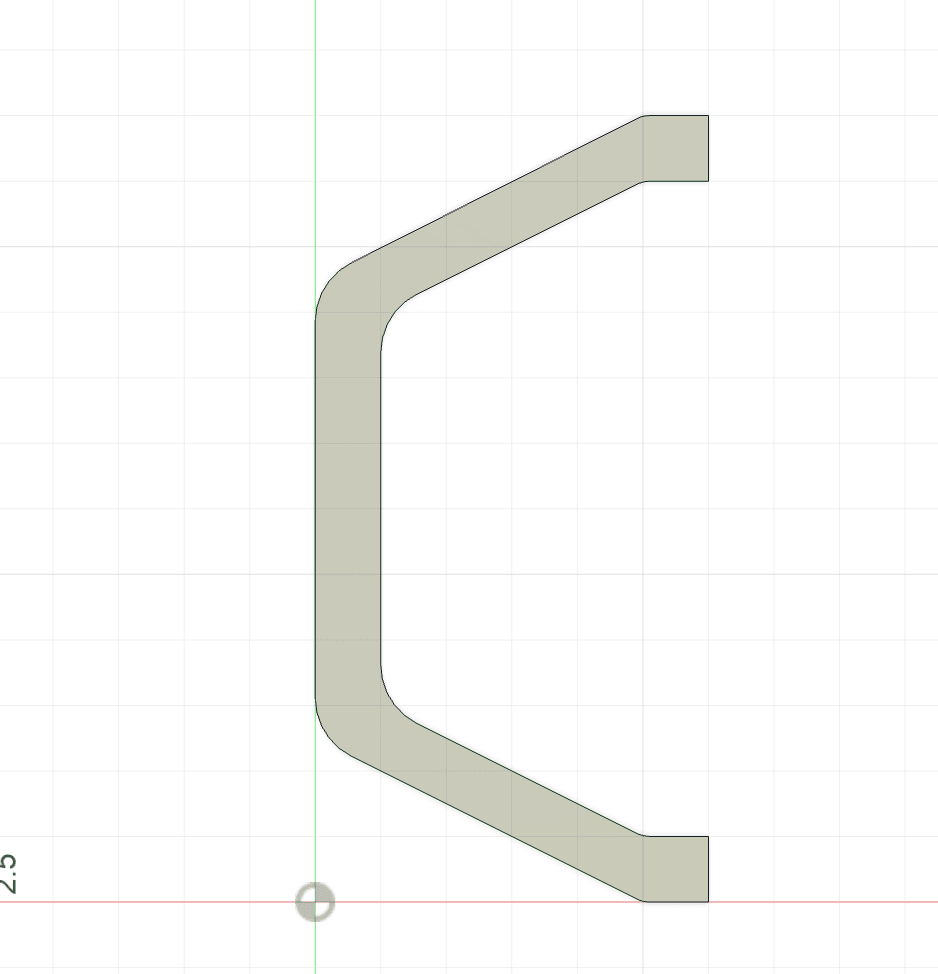
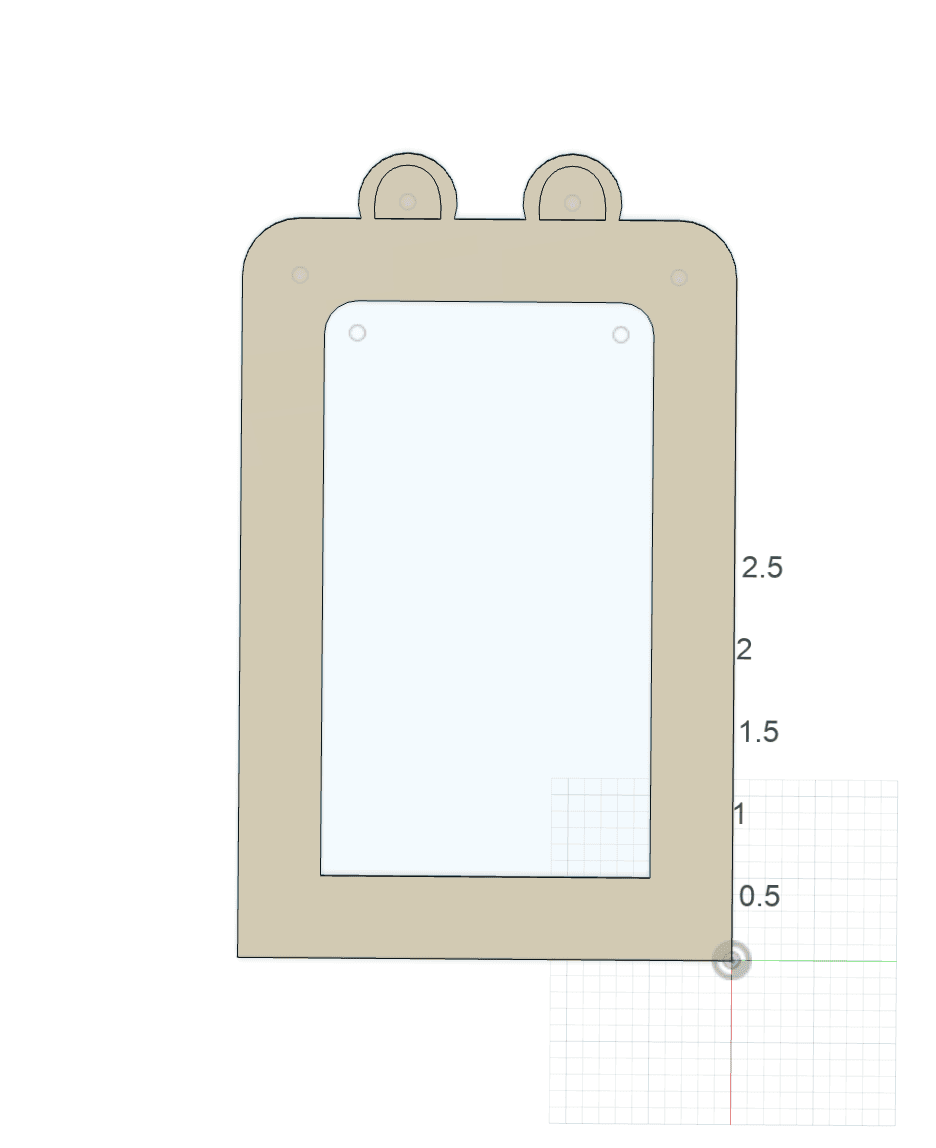
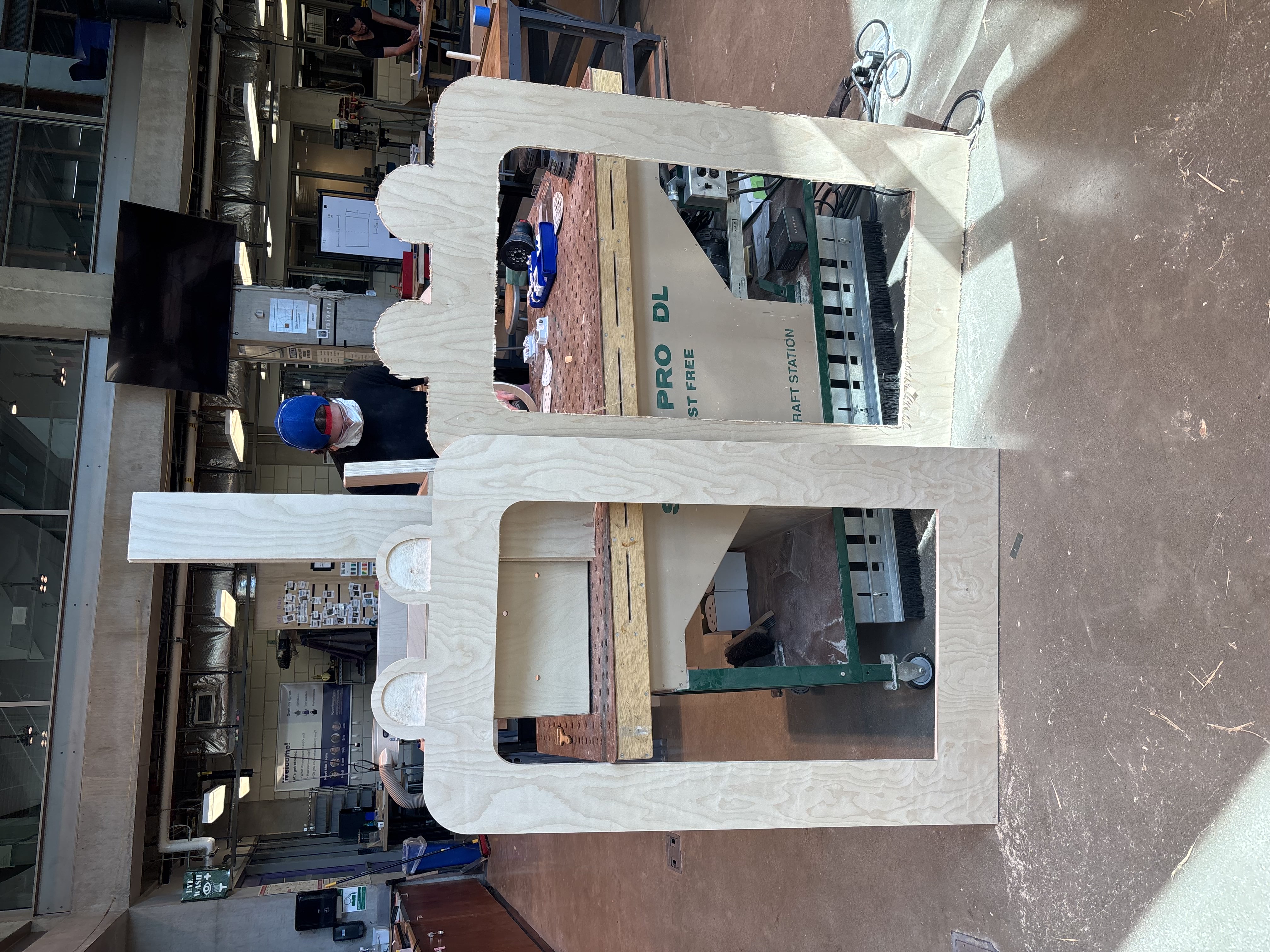
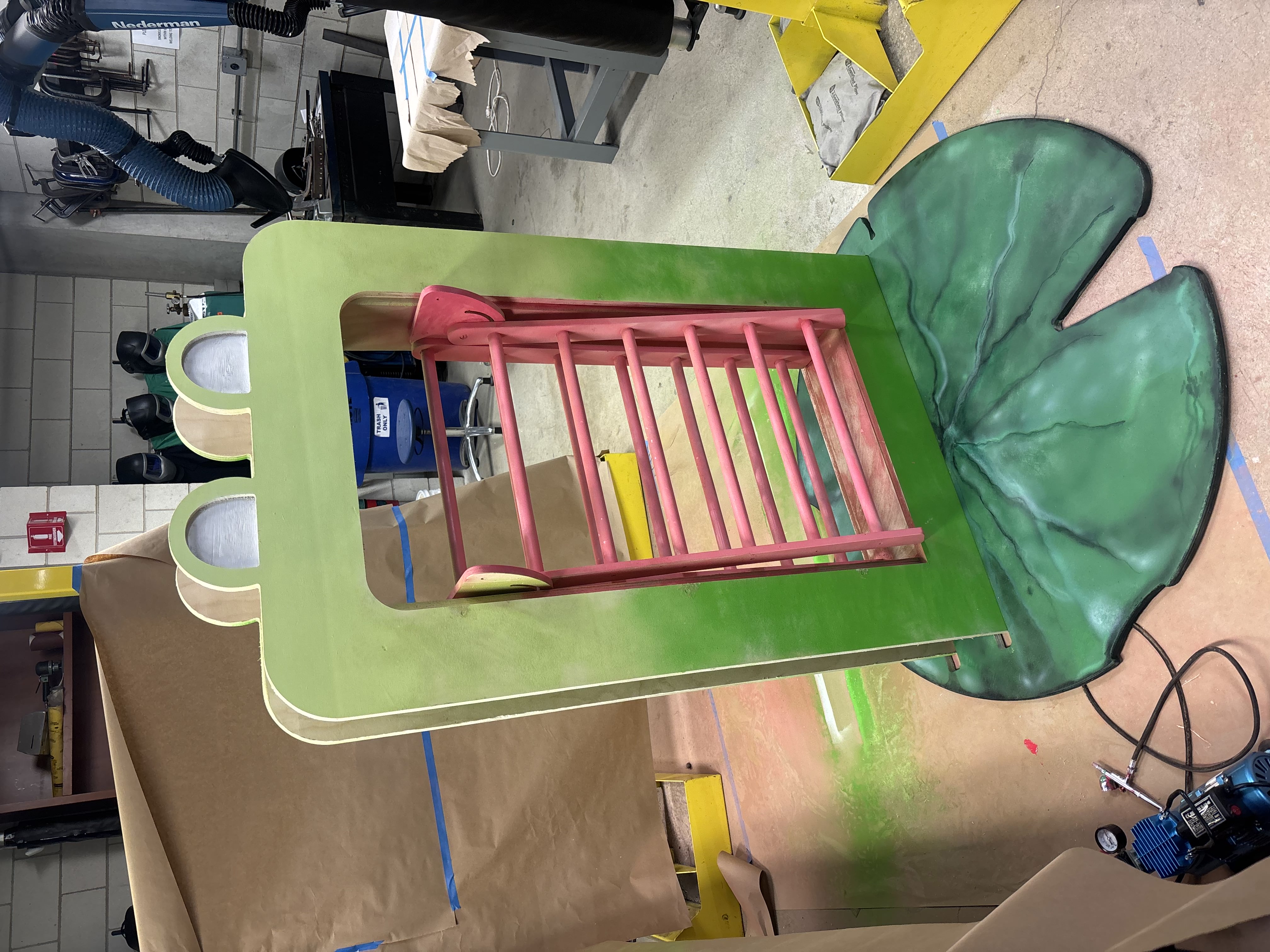
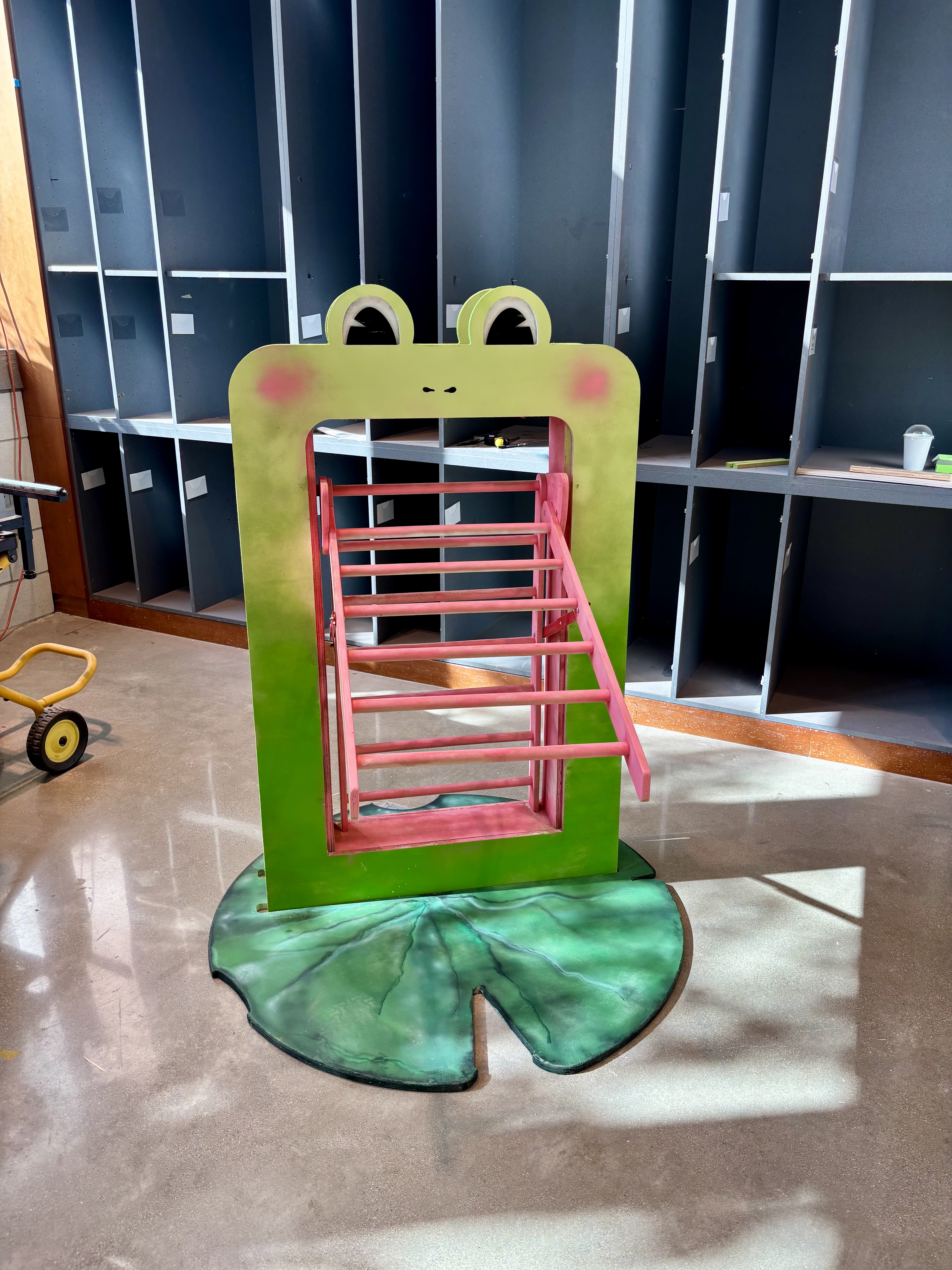
Ribbit Rack is a compact, adaptable drying system designed to support small-item care within everyday spaces. The concept explores how flexible form and intentional placement can accommodate natural routines without introducing additional clutter.
Design Solution
How might we create a drying solution that integrates into daily routines while maintaining flexibility and spatial harmony?

When items remain visible and within reach, they are more likely to be dried, stored, or reused consistently. Out-of-sight solutions risk being forgotten, while accessible placement helps reinforce care routines without requiring conscious effort.
People are more likely to adopt solutions that fit into what they already do rather than ones that ask them to change behavior. Products that support existing rhythms—rather than introduce new steps—have a higher chance of becoming part of daily use.
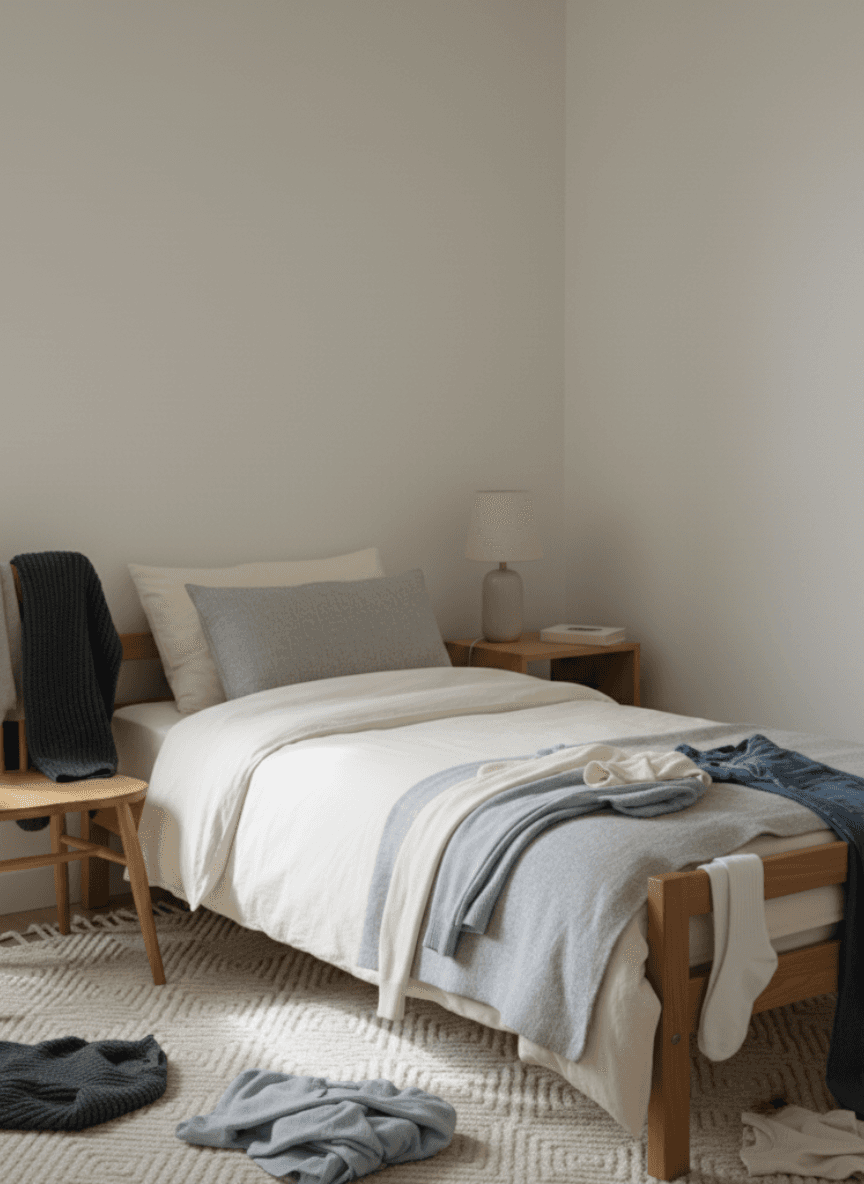
In the absence of intentional systems, people rely on whatever surfaces are available—radiators, chair backs, countertops, or handles—to dry small items. This improvisation reflects both a lack of dedicated solutions and the need for flexibility within constrained spaces.
Drying is Often Improvised
Routines Favor Familiarity
Visibility Drives Follow-Through
Developed as part of a hands-on design exploration, Ribbit Rack responds to the everyday friction of drying small, frequently used items within compact living environments. As routines become more fluid and space more multifunctional, traditional drying solutions often feel temporary, intrusive, or visually disruptive. The project investigates how a lightweight, adaptable object could support natural drying behaviors while integrating seamlessly into daily life.
Wet items often linger without a clear place to dry, disrupting routines and cluttering shared spaces.
Project Type: Solo Design Challenge
Role: Product Designer
Tools: Fusion, prototyping, CNC, laser cutter
Timeline: 5 Days
Project Overview